
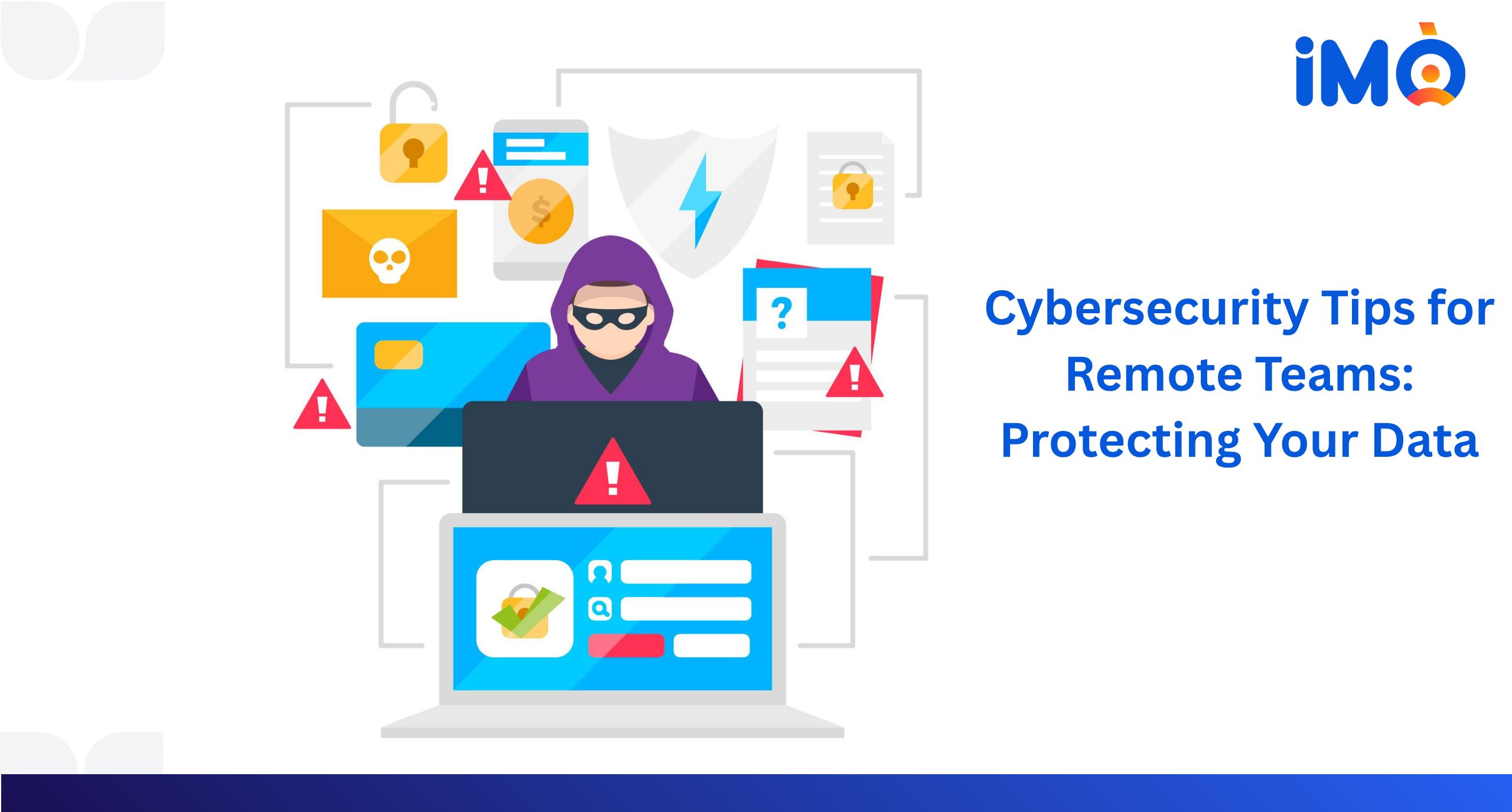
As more organisations shift to remote work, the need to protect sensitive information (cybersecurity) grows, and the reality is that many remote teams are more vulnerable to cyber threats than they realise.
Remote teams bring countless advantages like greater flexibility, access to global talent, and often, improved work-life balance. However, they also introduce new risks that can be tricky to manage without the right expertise.
Cybercriminals are quick to exploit weaknesses in remote setups, and without robust protection in place, your business could be exposed to data breaches, phishing attacks, or ransomware.
This is why managed security services are becoming an essential part of any modern remote team’s strategy.
Understanding the Threat Landscape for Remote Teams
When teams work remotely, the traditional security perimeter once safely wrapped around a central office essentially disappears.
Laptops connect to unsecured Wi-Fi networks, personal devices are often mixed with work tasks, and sensitive conversations happen over public channels.
It’s a dream come true for cyber attackers.
Managed security services help remote teams defend against these threats. They provide professional monitoring, threat detection, and rapid response, ensuring that vulnerabilities are spotted and handled before they can cause real harm.
Without managed security services, even the most diligent remote workers can fall victim to sophisticated attacks. It’s no longer enough to trust that everyone knows not to click suspicious links simply.
A layered, professional approach is needed.
Why Managed Security Services Matter More Than Ever in Cybersecurity
Managed security services offer far more than just antivirus updates or firewall monitoring. They deliver a comprehensive security infrastructure, including:
- 24/7 network monitoring
- Threat detection and intelligence
- Incident response and recovery
- Compliance management
- Secure cloud configurations
For remote teams, managed security services bring peace of mind. They take the heavy lifting off internal IT teams and ensure that security measures evolve alongside the ever-changing threat landscape.
Cybersecurity isn’t a one-and-done job; it’s an ongoing battle. Managed security services are designed to fight that battle continuously, proactively, and intelligently.
Key Cybersecurity Remote Work Policies for Remote Teams
While managed security services are a crucial part of protecting your remote team, Remote Work Policy practices also matter. Some key Policies are:
Educate and Empower Your Team
Security starts with people. Regular training helps remote employees recognise phishing attempts, understand the importance of strong passwords, and follow best practices for device security. Managed security services often include training modules or resources, ensuring your team stays informed and alert.
Secure Devices and Endpoints
Every laptop, tablet, and phone is a potential entry point for cybercriminals. Ensuring that devices are encrypted, protected by strong passwords, and updated with the latest patches is essential.
Many managed security services offer endpoint detection and response (EDR) solutions that monitor device health and detect suspicious activity in real time.
Use Multi-Factor Authentication (MFA)
Passwords alone aren’t enough. Multi-factor authentication adds an extra layer of security, requiring users to verify their identity with a secondary method like a mobile app or biometric scan.
Managed security services can help implement and manage MFA across your remote team, making it far harder for attackers to gain access.
Encrypt Communications
Whether it’s emails, chats, or video calls, sensitive conversations should always be encrypted. Using secure, encrypted communication tools ensures that even if data is intercepted, it remains unreadable to unauthorised parties.
Establish a Strong VPN Policy
A Virtual Private Network (VPN) encrypts internet connections, making it harder for hackers to snoop on traffic. All remote team members should use a trusted VPN, especially when working on public Wi-Fi.
Develop an Incident Response Plan
Despite best efforts, breaches can still happen. Having a clear incident response plan ensures that your team knows what to do if something goes wrong, minimising damage and speeding up recovery.
Managed security services specialise in creating and executing effective incident response strategies tailored to your team’s needs.
Implement Role-Based Access Controls
Not everyone needs access to everything. Role-based access controls (RBAC) ensure that employees only have access to the data they need for their job.
Keep Software and Systems Updated
Patches and updates fix vulnerabilities that cyber attackers love to exploit, ensuring that all systems, apps, and devices are regularly updated is non-negotiable.
Monitor for Unusual Activity
Early detection can make all the difference. Monitoring for unusual logins, large data transfers, or access from unexpected locations helps catch potential breaches early.
How Managed Security Services Support Compliance
Remote teams must also navigate a growing web of regulations, from GDPR to HIPAA and beyond. Non-compliance can mean hefty fines and reputational damage.
Managed security services are invaluable here. They help remote teams:
- Maintain compliance with industry standards
- Prepare for audits
- Keep up with evolving regulations
- Protect customer and employee data
With managed security services in place, you can demonstrate your commitment to data protection, building trust with clients, partners, and regulators alike.
Choosing the Right Managed Security Services Provider
Not all managed security services are created equal. When selecting a partner, consider:
- Expertise in supporting remote teams
- Comprehensive service offerings
- Proven track record in threat detection and incident response
- Transparent reporting and communication
- Scalability to grow with your team
Choosing the right managed security services provider is a critical decision, one that could mean the difference between resilience and vulnerability.
Building a Security-First Culture
Ultimately, cybersecurity isn’t just a technical issue; it’s a cultural one. Managed security services can set up the right systems, but fostering a security-first mindset across your remote team is equally important.
Encourage:
- Open dialogue about security concerns
- Regular security check-ins
- Recognition for good security practices
When security becomes a shared responsibility, your remote team becomes significantly stronger.
Protecting Your Remote Team in a Digital World
Remote work is here to stay, and with it, new opportunities and new risks. Protecting your remote team’s data isn’t optional; it’s essential.
Managed security services provide the expertise, tools, and support needed to stay ahead of cyber threats.
They offer peace of mind, letting your team focus on what they do best without constantly worrying about security breaches.
By combining the power of managed security services with strong internal practices, you can build a resilient, secure remote team ready to thrive in today’s digital landscape.
Remember: cybersecurity isn’t just about defending against attacks. It’s about enabling your remote team to work confidently, creatively, and collaboratively no matter where in the world they are.
If you’re ready to strengthen your defences, now is the time to explore how managed security services can support your remote team’s success.
Ready to learn more about securing your remote team?
Visit us at IMO to access the best cybersecurity talent and protect your business with confidence.
