
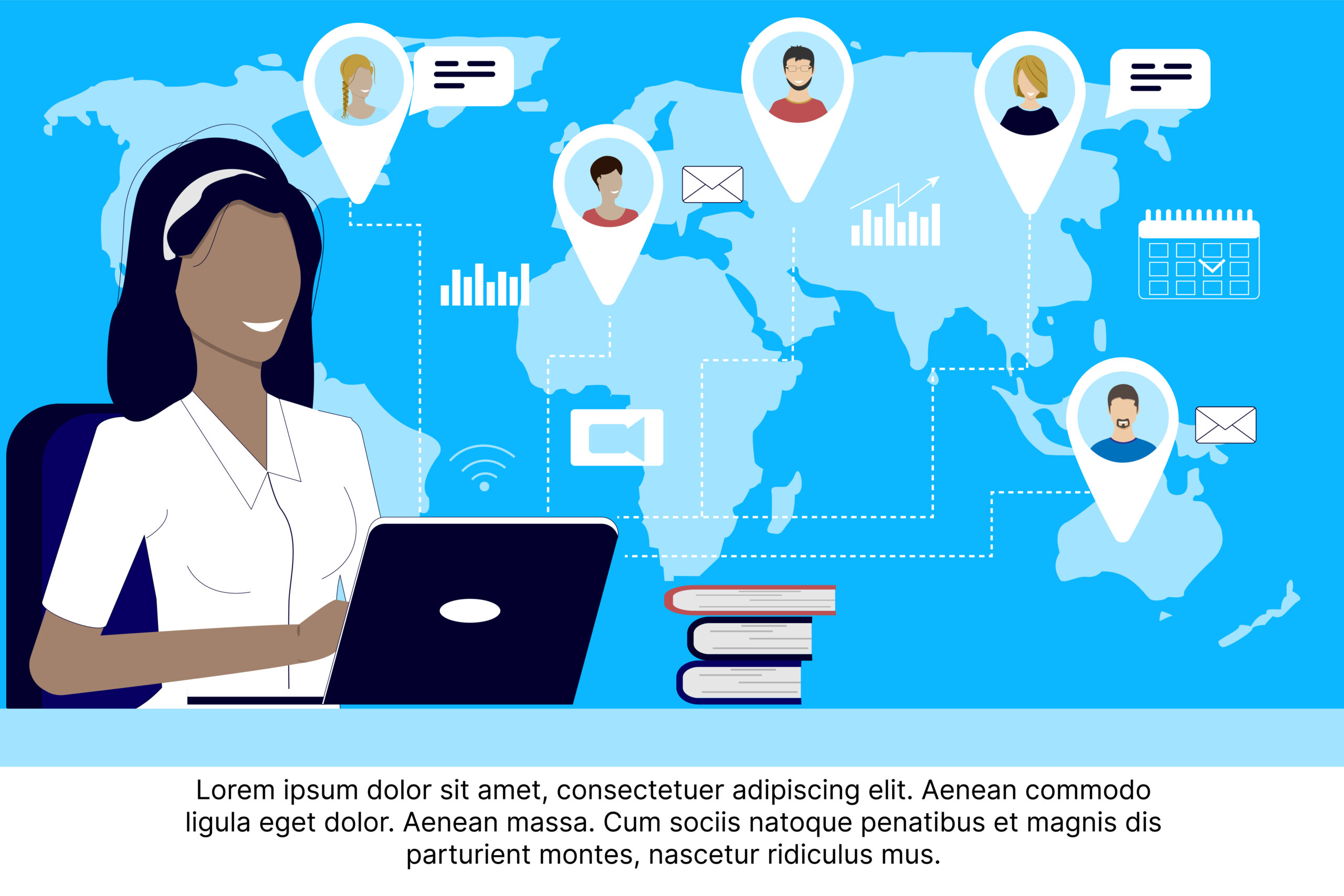
Remote collaboration tools have become essential for organisations that want their teams to work effectively across cities, countries, and time zones. What once felt like a temporary shift has now matured into a long-term operating model. Companies no longer ask whether remote work is possible. The real question now is how teams collaborate, communicate, and maintain productivity when people are not sitting in the same office.
This shift has created a surge in platforms designed to support distributed work. Messaging systems, shared documents, project tracking software, and virtual meeting spaces have all evolved rapidly. Yet the challenge organisations face today is not access to technology. It is choosing the right remote collaboration tools and scaling them without creating confusion or digital fatigue.
Many organisations discover that adopting too many platforms can slow teams down rather than support them. Employees switch between several applications in a single hour, searching for files, updates, and decisions that should have been easy to find. As a result, the way organisations evaluate and scale remote collaboration tools has become a strategic decision rather than a simple technology purchase.
Choosing Platforms That Support How Teams Actually Work
Selecting remote collaboration tools should begin with a clear understanding of how work flows within the organisation. Too often, companies start with the technology rather than the process. Leaders choose popular platforms because other organisations use them, but they fail to ask how those systems will fit their own workflows.
Strong collaboration begins with clarity around communication patterns. Some teams rely heavily on quick conversations to move tasks forward. Others need structured documentation so information remains accessible long after meetings end. If a company relies on frequent decision-making across departments, the chosen platform must allow information to move quickly while still preserving a clear record.
Research from the Work Trend Index by Microsoft shows that employees spend a significant portion of their day searching for information or switching between digital platforms rather than completing focused work. This insight highlights the importance of thoughtful platform selection rather than simply adding more software to the workplace ecosystem.
Organisations that approach this process carefully usually follow three principles.
- They prioritise simplicity. When employees must navigate too many platforms, collaboration becomes fragmented. Teams work best when communication, documentation, and project tracking exist within a connected environment.
- They evaluate how easily the platform integrates with existing systems. A collaboration platform that cannot connect with internal tools creates more manual work.
- They consider long-term scalability. Remote collaboration tools should not only solve current needs but also support team growth, global hiring, and cross-functional collaboration.
These decisions determine whether technology strengthens productivity or quietly undermines it.
The Hidden Challenges of Scaling Remote Collaboration Tools
Selecting the right platform is only the first step. The real test begins when organisations try to scale remote collaboration tools across departments, regions, and roles.
Many companies underestimate the behavioural shift required for digital collaboration. When teams move from office-based communication to digital platforms, habits must change. Employees must learn to document decisions, organise conversations, and structure projects so that others can follow progress without constant meetings.
Without these habits, even the best remote collaboration tools become messy information channels. Messages disappear in crowded chat threads. Files live in multiple versions across different folders. Important updates reach only a few people while others remain unaware.
Organisations that succeed in scaling collaboration platforms invest in clear usage guidelines. They define where different types of communication should occur. For example, quick questions may belong in messaging channels while decisions and project updates should appear in shared documentation.
Leadership behaviour also plays a strong role. When leaders consistently use the same platforms and document their thinking, teams naturally follow. When leadership communicates through scattered channels, employees mirror that behaviour.
A study published by McKinsey highlights that organisations with strong digital collaboration practices experience higher productivity and faster decision-making across distributed teams.
What Growing Teams Learn When Working with IMÒ
Organisations that expand into global talent networks often discover that collaboration systems must evolve quickly. Hiring remote professionals from different regions introduces new time zones, new communication rhythms, and new expectations around documentation.
Teams working with IMÒ frequently notice that structured collaboration becomes essential once distributed talent enters the workflow. Remote engineers, product specialists, and technical teams rely on clear task visibility and organised communication channels to contribute effectively.
On the IMÒ platform, companies and their talents are able to communicate and collaborate within a single environment. The platform was designed after recognising that organisations often struggle to keep conversations, project updates, and performance tracking across multiple tools. To solve this challenge, IMÒ created a talent and client dashboard that keeps collaboration simple and transparent.
Through the dashboard, companies can assign tasks, monitor project progress, and communicate deadlines clearly. Talents also submit daily reports within the system, outlining what they worked on and highlighting any blockers they encountered during the day. This structure ensures that teams remain connected without the need for constant meetings or scattered updates across different platforms.
When collaboration systems are well organised, distributed professionals integrate smoothly into existing teams. They access project details, follow conversations, and deliver work without needing constant direction. This clarity allows organisations to benefit from global talent without overwhelming internal teams.
However, when collaboration systems lack structure, remote professionals struggle to locate information or understand project priorities. Productivity slows, not because of talent capability but because the environment does not support efficient coordination.
Building a Collaboration Environment That Lasts
Remote work is no longer defined by temporary adjustments. It has become a stable feature of modern organisations. As companies grow across borders and hire talent from different regions, collaboration systems must support a workforce that rarely shares the same physical space.
Remote collaboration tools, therefore, serve a deeper purpose than communication. They shape how knowledge flows through an organisation. They determine whether ideas move freely across departments or remain trapped within small groups. They influence how quickly teams solve problems and how easily new employees integrate into projects.
The most effective organisations treat collaboration platforms as;
- Part of their operational strategy. They review how teams use the tools, remove unnecessary platforms, and refine workflows as the company evolves.
- They also recognise that collaboration is not created by software alone. It emerges when clear communication habits meet well-chosen technology.
When those two elements align, distributed teams become more agile than traditional office structures. Decisions move faster. Expertise travels across locations. Work continues around the clock as teams in different regions contribute to shared goals.
For organisations preparing for the future of work, the question is no longer whether to adopt remote collaboration tools. The real challenge lies in choosing systems that grow with the company and scaling them in ways that strengthen clarity rather than complexity.
If you are building a distributed team and want collaboration to feel organised rather than scattered, IMÒ was built with that exact reality in mind. Connect with IMÒ and see how working with global talent can become simpler, clearer, and far more productive!
