

Introduction
Most teams say they want “a thorough remote hiring process”. What they usually mean is “I don’t want to get embarrassed by a bad hire, a breach, or a candidate who ghosts on day nine”. Fair.
So, how deep should vetting be for remote hires? Deep enough to match the role’s risk and access, and no deeper. That’s the whole answer, and it’s annoyingly non-dramatic. If the person will touch customer data, money movement, production systems, or anything you’d dread seeing on a breach notification, you vet hard. If they’re doing low-risk delivery with tight permissions, you keep it lean, fast, and respectful.
The trap is treating vetting like a moral virtue. It isn’t. It’s a cost centre. It burns time, it drains goodwill, and it can wander into legal trouble if you get curious in the wrong places.
How do role risk and access determine screening depth?
Hiring remotely makes people weird. I get it. When you can’t physically see someone in the office kitchen at 08:47, you start trying to “solve” trust with extra screening layers. The irony is that more scrutiny does not automatically produce more truth. It can produce more admin, more bias, and more false confidence.
If you want a sane baseline, start with three inputs: what they can access, what they can change, and what happens if they go rogue or simply incompetent.
Access tiers
Think in access tiers, not job titles. “Senior engineer” is a vibe. “Can push to production and read logs containing personal data” is a reality.
Here’s a clean way to slice it:
Access tier | Typical access | What can go wrong | Suggested vetting depth |
|---|---|---|---|
Tier 1: Limited | No sensitive data, no prod, no financial systems | Missed deadlines, quality dips | Light screening, work sample, references |
Tier 2: Sensitive | Customer data, internal tools, shared drives | Data leakage, compliance incidents | Identity + right-to-work + stronger references + background checks where lawful |
Tier 3: Privileged | Admin privileges, production deploys, payments, security tooling | Fraud, ransomware, systemic outage | Deep validation, tighter identity checks, enhanced history verification, security-minded onboarding |
If you’re building remote teams at speed, you can go deeper on process design without turning it into theatre. I liked the way it’s framed in The Importance of Rigorous Remote Talent Vetting because it treats vetting as risk management, not a personality test.
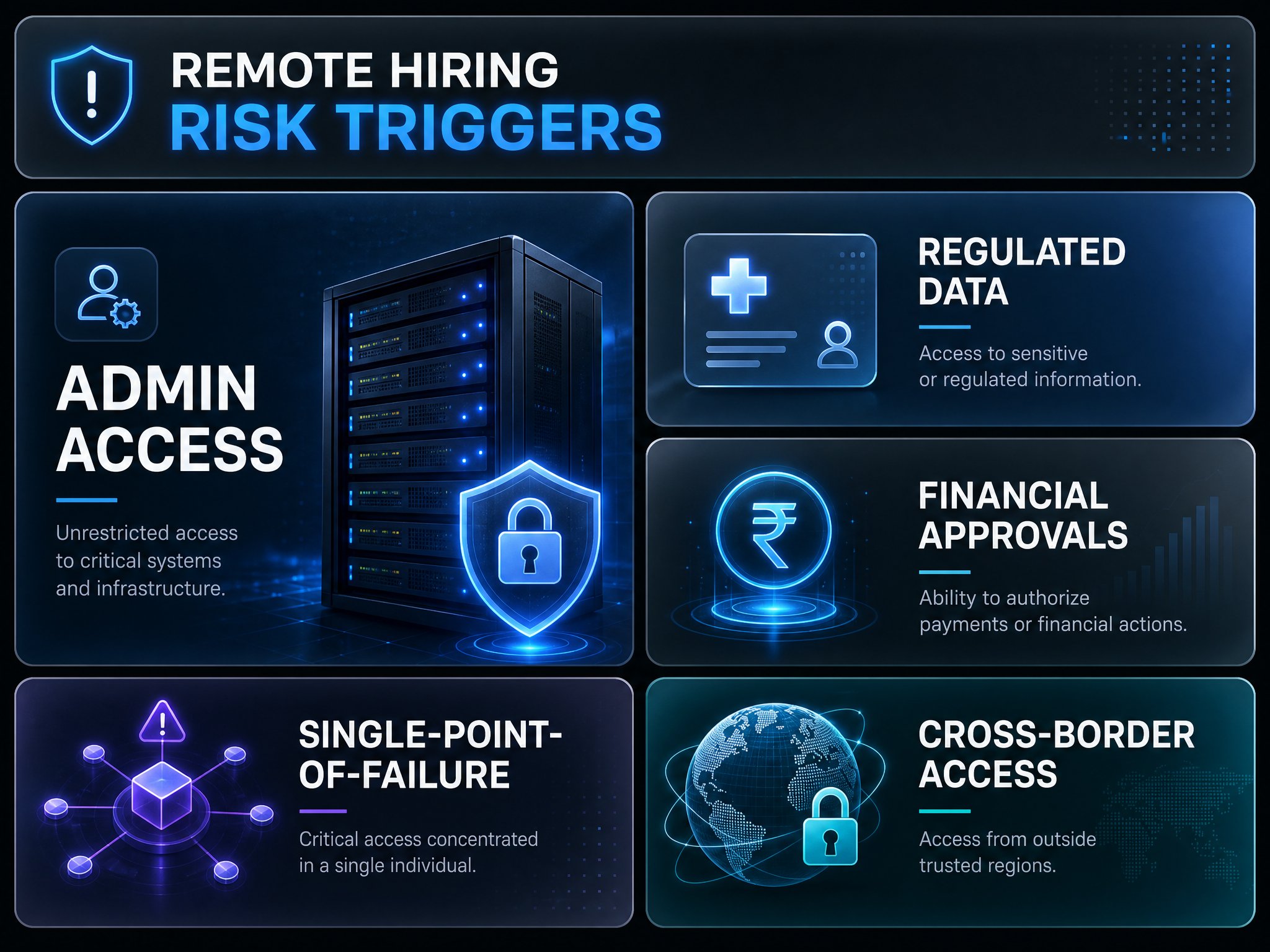
Risk triggers
A role can look harmless on paper and still be high risk because of the context around it. Watch for triggers like these:
Handling regulated data (health, payment, children, government).
Admin access to core systems (cloud consoles, IAM, endpoint management).
Ability to approve spend, refunds, payouts, or supplier onboarding.
Single-point-of-failure positions in a small remote workforce where one person can quietly stall everything.
Cross-border access where data localisation rules or contractual obligations get touchy.
The remote angle matters because modern fraud is not always a clumsy CV lie. It’s coordinated. It’s patient. The UK Government’s figures on how common attacks are in real businesses makes this feel less paranoid and more like baseline hygiene, especially if you’ve got a distributed team. (If you want the sobering version, the 2025 to 2026 findings in the UK’s Cyber Security Breaches Survey are not exactly bedtime reading.)
Depth levels
I tend to think of depth in three levels: confirm, verify, investigate.
Confirm is making sure the candidate is real, available, and broadly aligned with the job. Verify is proving they can do the work, repeatedly, in remote conditions. Investigate is what you reserve for roles with serious access, where anomalies are expensive.
Investigation-level vetting is also where people accidentally cosplay “national security vetting”. Most companies do not need UKSV-style checks, and if you’re not hiring into government, defence, or an actual national security clearance lane, pretending you are is both pointless and off-putting. Save that energy for identity, history, and practical controls.
What is a practical risk matrix?

If your hiring manager can’t explain why they’re asking for a particular check, you’re already drifting.
A risk matrix keeps everyone honest, including you.
Data types
Not all data is equal. A remote worker seeing marketing copy drafts is one thing. A remote contractor exporting customer records is another. Personal data under UK GDPR, authentication secrets, API keys, financial reporting, and incident logs are in the “wake up sweating” category.
Also, don’t ignore intellectual property. Product roadmaps and unreleased pricing can be weaponised just as effectively as a database dump, only with fewer headlines.
System privileges
System privileges are where vetting and onboarding should shake hands. If you can’t limit access, you’ll be tempted to over-vet to compensate.
This is where identity-first access ideas help, because the point is not “trust them forever”, it’s “grant least privilege, watch for weirdness, tighten as they prove themselves”. CISA’s thinking around zero trust is useful grounding when you’re deciding whether you’re building VPN-era castles or modern guardrails, and it’s hard to argue with their zero trust model guidance when remote access is the norm.
Fraud scenarios
Remote hiring fraud has levelled up. Deepfakes, coached interviews, proxy test takers, fake jobs on CVs, and “borrowed” LinkedIn profiles are all in the mix, especially for high-paying roles.
A basic matrix helps you map likely scenarios to defences:
Scenario | Signal | What to validate | What to change operationally |
|---|---|---|---|
Proxy interview | Camera off, weird latency, inconsistent voice | Live identity check, short unprepared technical discussion | Standardise verification steps |
Test assistance | Perfect answers, slow typing, no reasoning | Secure assessment design | Use a proctored or interactive work sample |
Inflated employment history | Vague dates, fuzzy job title | Employment verification, references | Ask for artefacts tied to outcomes |
Account takeover later | “Normal” start, then odd access patterns | Ongoing monitoring | MFA, device management, audit trails |
If you’re tempted to “just check their socials”, slow down. Social media screening can become biased fast, and you’ll accidentally learn things you’re not allowed to factor into employment decisions. If you do it at all, do it narrowly and job-relevant, the way E2E Employment Vetting frames it when they talk about keeping it ethical.
Run a structured remote screening process

The best remote vetting is boring. Repeatable. Documented. No improvisation based on “gut feel”.
I’m also going to say the quiet part out loud: a lot of “culture fit” talk is just taste dressed up as rigour. If you mean “can they work asynchronously without drama and deliver without being chased”, say that.
Application screen
At application stage, you’re scanning for clarity and consistency, not perfection. I like asking for one short paragraph on how they structure a remote day, because remote readiness shows up in the small stuff: how they manage time zones, what tools they default to, whether they understand written handoffs.
A CV that reads like a motivational poster is not a remote signal. A CV that includes concrete outcomes, time remote, and specific collaboration patterns usually is.
Skills evidence
You want evidence that survives daylight. Portfolios, GitHub, case studies, shipped products, incident write-ups, design decision logs, post-mortems. The artefacts matter because remote work is output-heavy and memory-light. Nobody remembers what you meant to do.
This is also where a lot of teams get lazy and accidentally select for confidence over competence. If you’re hiring engineers, I’d steal some of the tactics described in the section on identifying elite software engineers remotely because it focuses on observable ability, not charisma. (And yes, I’m aware I’m making the world more hostile to charming underperformers. Good.)
Reliability signals
Reliability is the remote multiplier. The person can be brilliant, but if they overpromise availability, vanish during overlap hours, or treat deadlines as vibes, your whole remote team pays the price.
You can screen for it without turning into a surveillance goblin:
Ask for a specific example of a missed commitment and the recovery plan, including who they told and how fast.
Probe for asynchronous habits: written updates, decision logs, checkback behaviour, and how they handle blockers.
Look for calm honesty about home setup, internet stability, and backup plans. The strongest candidates mention this like it’s weather, not a confession.
That “discipline when no one is watching” thing is real. I’ve seen candidates win purely by showing how they manage their environment and cadence, then casually proving it in the interview without making a song and dance about it.
How do job-real assessments validate skills?

If you want to cut long-term cost, stop arguing about vetting philosophy and build assessments that mirror the job.
Work sample test
A good work sample test feels like day three on the job, not a university exam. Small scope, real constraints, clear evaluation criteria. If it’s technical, protect it from cheating. TechTarget’s notes on technical assessment security are the kind of pragmatic paranoia you want, because yes, candidates do get help, and no, you cannot “tell” reliably on vibes alone.
Also, don’t create a work sample that only works for people with spare weekends and no caring responsibilities. Time-box it. Pay if it’s substantial.
Paid trial
Paid trials are the closest thing to truth we have in remote hiring, particularly for freelance and contractor arrangements. Two to ten working days can reveal communication habits, quality, and how they handle feedback. It also gives the candidate a real look at your process, which matters because plenty of employers are the problem.
If you do paid trials, run them with deliberate access control. No broad permissions “just to make it easy”. If the trial requires sensitive systems, that’s a sign you’re really hiring a Tier 3 role, and your vetting depth should match.
Review rubric
A rubric stops your team from falling in love with the most confident speaker in the video interviews.
Keep it simple. Score outcomes, reasoning, communication, and risk awareness. If you’re interviewing for roles with security impact, include one question that forces them to talk about least privilege, audit trails, MFA, and incident response without turning it into buzzword bingo. NIST’s stance on authentication is a good reality check if you want your team aligned on what “strong MFA” actually means, and their digital identity guidance is basically the grown-up in the room.
Confirm identity, work rights, and history
This is the part candidates hate, employers bungle, and compliance teams clean up later.
Do it cleanly, explain why, and don’t collect junk you can’t justify.
Identity checks
Identity checks should be consistent, not ad hoc. If you only do them when a candidate feels “off”, congratulations, you’ve built a bias machine.
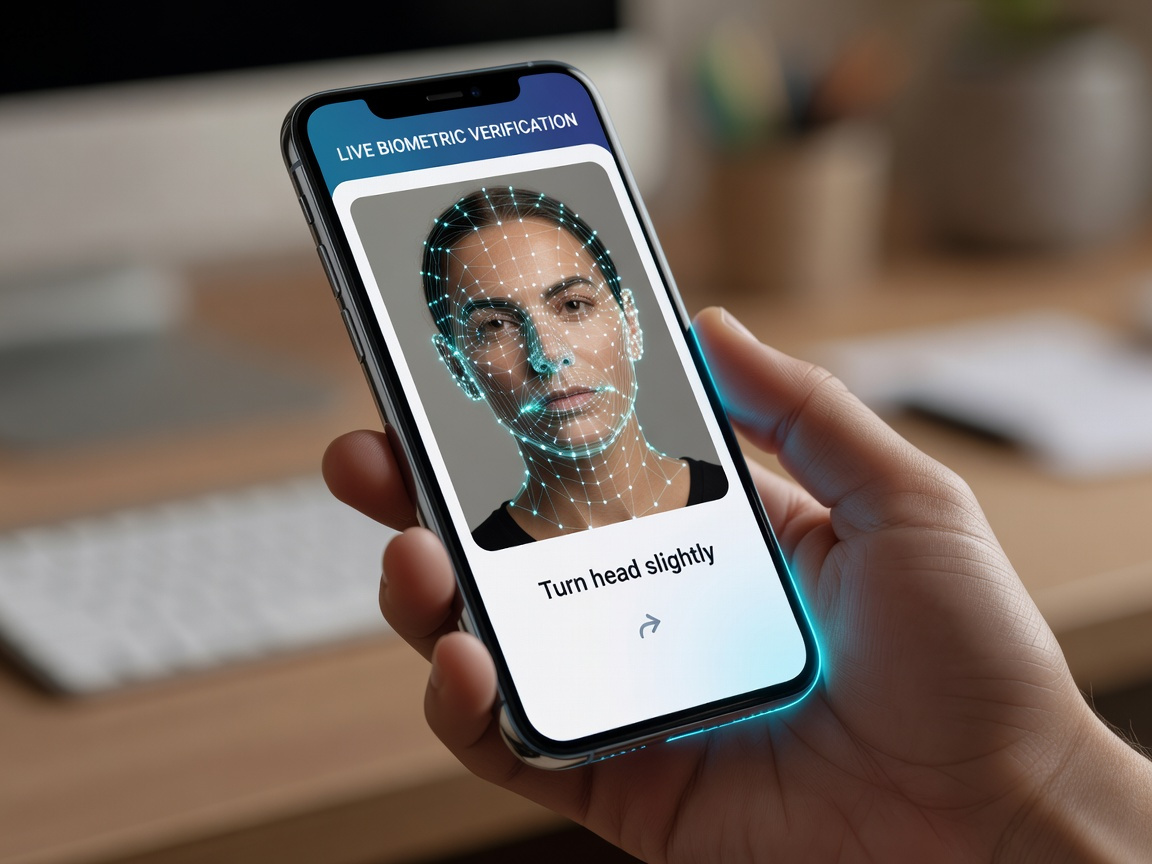
For higher-risk remote roles, add liveness checks and step-up verification, because deepfake interview fraud is no longer hypothetical. If that sounds dramatic, spend ten minutes watching how easily modern tooling can spoof a face on video, then tell me you’re relaxed.
Right-to-work checks
Right-to-work is jurisdiction-specific, and cross-border hiring turns “simple” into “legal obligation” fast. In the UK, you need a compliant right-to-work process and proper records. If you’re hiring globally, you may be dealing with local work authorisation, visa constraints, or an Employer of Record setup.
Also, don’t play games with classification. Misclassification risk is where “remote contractor” can turn into tax and employment liability. SHRM’s overview of misclassification penalties is worth reading, even if you’re not US-based, because the pattern repeats globally: governments do not enjoy being financially creative with workforce labels.
Employment verification
Employment verification sounds easy until you do it across borders, across languages, across companies that don’t respond. Still worth doing for roles where trust is central.
Verify the basics: employment dates, job title, employer organisation, and reason for leaving if they’ll disclose. Use references that can speak to how the candidate works remotely, not just “nice person, would rehire”.
And yes, candidates lie about fake jobs. Employers also publish fake jobs. Everyone’s a mess. That’s why artefacts and references matter more than “a strong LinkedIn company profile”.
Apply privacy and cross-border compliance
This is where some hiring teams quietly panic because they want deep vetting but also want to pretend privacy law is optional. It isn’t.
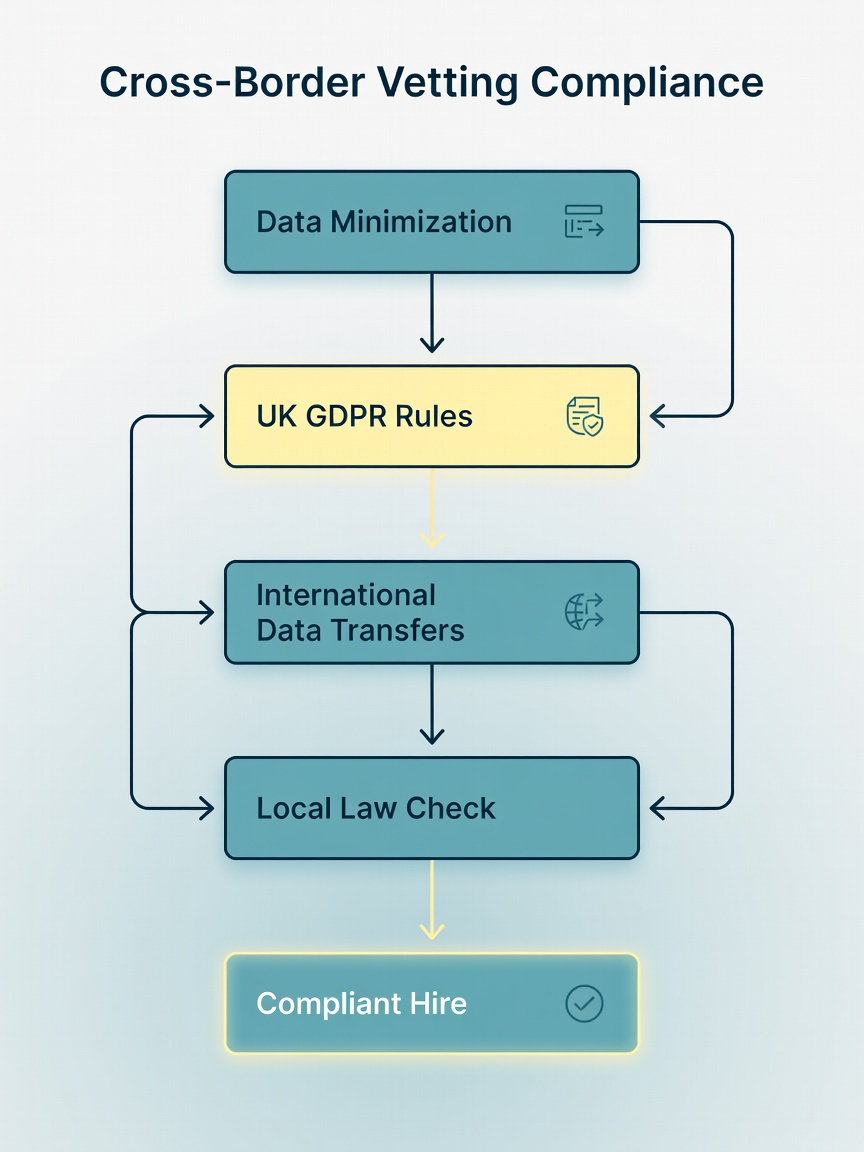
UK GDPR and ICO rules
If you’re hiring with any UK footprint, read the ICO’s guidance and build your process around proportionality, transparency, and data minimisation. Their page on pre-employment vetting of candidates is blunt in the way regulators are blunt: tell candidates what you’re doing, collect only what you need, secure it, and don’t keep it forever “just in case”.
High-risk processing can trigger a DPIA. Criminal records data is especially sensitive. If your internal reaction is “ugh paperwork”, that’s a sign you’ve been underpricing legal risk.
Criminal records and DBS limits
In the UK, criminal records checks and DBS checks are not a free-for-all. Eligibility depends on the role, and you must handle the information carefully. If you’re hiring remote workers into safeguarding roles, regulated activities, or roles involving vulnerable groups, the DBS angle is often legitimate. If you’re hiring a remote designer for landing pages, demanding criminal records data is likely disproportionate.
DBS is also not a magic “safe person” stamp. It is one signal, tied to specific records, in a specific jurisdiction, at a specific point in time.
International transfers and local laws
Cross-border hiring drags in data transfer rules, local screening restrictions, and sometimes data localisation requirements. Some countries simply do not support US-style background checks, and trying to force them can put you in legal trouble or just waste weeks.
If you’re moving personal data across borders, get your transfer mechanism right. If you’ve got remote access into systems holding EU or UK personal data, make sure your security controls, training, and contracts match that reality. GDPR.eu’s distributed teams checklist is a decent starting point, even if you’ll still need proper counsel for edge cases.
Also, keep “procedural justice” in mind. Candidates notice when vetting feels arbitrary or degrading, and research on cybervetting has been warning for years that people experience it as unfair when it’s opaque or based on single-source assumptions, which is why I like the framing in this procedural justice research overview.
FAQ
Is deeper vetting always cheaper long term?
No. Past a certain point, you’re buying marginal risk reduction at a premium, and you’re also pushing away good professionals who have options. The cheaper long-term move is “right-sized vetting plus tight access controls plus good management”.
Should we do social media checks for remote candidates?
Only if you can do it consistently, narrowly, and legally, and you’re prepared to document why it’s job-relevant. Otherwise you’re collecting bias and protected-characteristic information you shouldn’t touch.
How do we spot remote interview fraud without turning hostile?
Use consistent identity steps for everyone, include at least one live, unprepared problem discussion, and design assessments that require reasoning, not memorisation. If something feels off, look for anomalies across multiple signals, not one “gotcha”.
What’s the minimum vetting for a low-risk remote role?
A clear application screen, a job-relevant work sample, and references that actually confirm work history and reliability. That alone filters out a surprising amount of noise.
When do we need security clearance or UKSV-style checks?
When the role genuinely requires it because of the organisation or contract, typically government, defence, or sensitive national infrastructure. Most commercial remote roles are not in that universe, even if they involve security-sensitive work.
Conclusion
If you’re trying to decide vetting depth for remote hires, stop debating it like a philosophy seminar and treat it like what it is: risk pricing.
Match screening depth to access tiers, use a risk matrix that names real fraud scenarios, validate skills with job-real work, and keep privacy and cross-border compliance tight enough that you can explain your process without squirming. If you do all that, you’ll spend less time “feeling safe” and more time actually being safe, which is the only version that counts.
